

shipping container cool room Did you know that over 80% of fresh goods transported by sea each year rely on shipping container cool rooms to preserve their quality during transit? These specialized cooling units are vital in today’s global supply chain.
Temperatures inside standard shipping containers can soar above 100 degrees in hot climates. This makes cargo cooling absolutely critical. You might wonder about keeping shipping containers cool to preserve perishable goods. Maybe you’re thinking over turning a shipping container into a temperature-controlled room. Understanding the costs is significant. A shipping container cool room that’s managed to keep running properly can extend bananas’ shelf life from a few days at room temperature to 2-3 weeks. It also reduces medicine loss rates to less than 1%.
This piece breaks down everything about shipping container cool room costs, from the original purchase to ongoing maintenance. You’ll learn practical ways to cut expenses while keeping optimal cooling performance. These specialized units are available at ftshippingcontainers.com with free shipping worldwide.
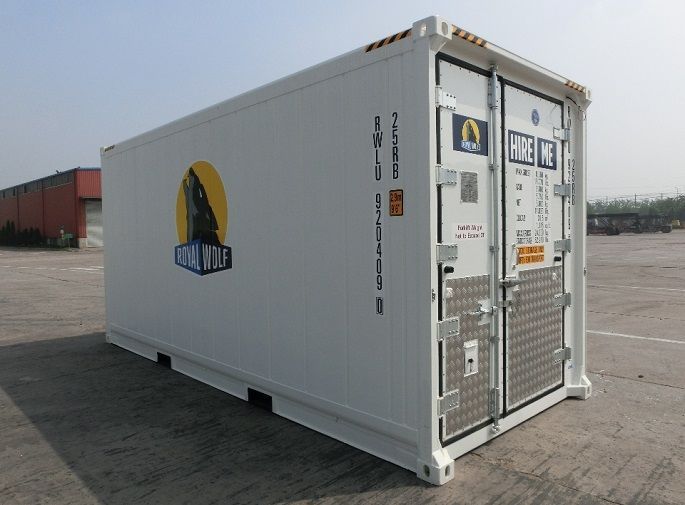
Image Source: Royal Wolf
Shipping container cool rooms are changing the way we think about portable refrigeration technology. These specialized units blend standard shipping containers with powerful cooling systems to create versatile temperature-controlled environments. “Reefer containers,” as they’re commonly known, offer the perfect mix of mobility and cooling performance that traditional cold storage solutions lack.
A shipping container cool room is a portable refrigeration unit built inside a standard ISO container frame. You’ll find insulated walls, integrated refrigeration units, and sophisticated temperature control systems in these specialized containers. Their temperature range capability stands out—many models maintain environments from -30°F to 85°F (-25°C to 25°C). This range makes them perfect for almost any cold storage need.
These units have found their way into many industries:
These versatile units also serve as mobile laboratories, vaccine clinics, and even temporary cheese-aging caves. Their precise temperature control makes them essential for products that need strict environmental conditions.
Several key advantages explain why shipping container cool rooms are becoming more popular. Companies can adapt quickly to changing needs thanks to their exceptional flexibility. They can have a pre-insulated container delivered and running within days, unlike permanent cold rooms that take time and money to build.
The price tag makes sense too. A standard 20′ container with insulated panels costs between $5,500-$6,000. That’s nowhere near the $10,000+ you’d spend on traditional cold rooms of similar size.
Mobility plays a huge role in their success. These units move easily by truck, ship, or train. This feature helps businesses with changing locations or seasonal demands. Remote locations and areas with limited infrastructure benefit greatly from this portability.
Recent advances in energy efficiency have improved running costs. Modern refrigeration systems now feature variable speed compressors, smart control systems, and eco-friendly refrigerants. These improvements cut both environmental impact and operational expenses.
The units’ durability makes them a reliable investment. Built to handle extreme conditions during ocean shipping, they protect against everything from rain to extreme temperatures.
You can buy shipping container cool room at ftshippingcontainers.com with free shipping worldwide. These units combine mobility, durability, and precise temperature control to create an essential solution in today’s temperature-sensitive logistics landscape.
The cost of shipping container cool rooms depends on four main components that determine both your original and running costs. You need to understand these elements to choose the right unit that fits your needs. Let’s get into each component and what it means for your wallet.
The refrigeration unit is the heart of any shipping container cool room and makes up much of the total investment. This system has several vital parts working together:
The quality and capacity of these components affect both your purchase price and operating costs. Better quality refrigeration systems cost more upfront but save money through better efficiency and reliability. Modern units can maintain temperatures ranging from -60°F to 70°F (-51°C to 21°C), depending on the container you choose.
Power requirements for refrigeration affect long-term costs. Standard units need 3-phase, 460-volt power. Your site might need extra infrastructure if it lacks compatible electrical systems. Remote locations need self-contained power sources, which add to the cost.
Modern shipping container cool rooms use advanced control systems that affect pricing. These systems include:
Temperature sensors work like the system’s “tentacles” and monitor conditions immediately from key positions. Systems with multiple sensors offer better precision but cost more.
The controller works as the system’s “brain” by processing sensor data and managing the refrigeration unit. Simple controllers maintain set temperatures, while advanced models offer programmable settings, remote monitoring, and predictive maintenance alerts.
Temperature accuracy matters a lot for preserving sensitive cargo. Better control technology is budget-friendly in the long run. Advanced monitoring systems alert you immediately when temperatures change from set levels. This feature can save thousands by preventing product losses.
Insulation quality affects both the purchase price and operating costs of shipping container cool rooms. You have several options, each with different costs:
Polyurethane foam is the most common insulation material because it has very low thermal conductivity (0.022-0.028 W/m·K). Its microscopic closed-cell structure blocks heat transfer well but costs more than other options.
Insulation thickness varies based on use—usually between 60mm to 100mm for foam insulation. Thicker insulation costs more upfront but cuts down energy use over time.
Spray foam installation adds $1,800 to $2,000 to the conversion cost. This investment usually pays for itself through energy savings within a year.
The structural integrity and sealing quality of a shipping container cool room affect both initial and long-term costs. Poor seals let cold air escape and increase operating costs through wasted energy.
Quality vapor barriers stop moisture from getting in, which would reduce insulation effectiveness over time. Good sealing costs more upfront but prevents expensive problems like rust, mold, and insulation damage.
Special features like proper air circulation systems and ventilation help cooling work better. Evaporators mounted in the highest internal areas remove moisture from outside air. This setup maintains the best conditions while using less energy.
Quality components cost more upfront but save money over time. You can find shipping container cool rooms at ftshippingcontainers.com with free shipping worldwide. They offer various options with different component setups to match what you need and can afford.
Understanding how size affects cost helps buyers choose the right temperature-controlled storage solution. The prices of refrigerated containers change based on their dimensions, condition, and specifications. Here’s what you can expect to pay for different shipping container cool room sizes at ftshippingcontainers.com.
The 10ft refrigerated container serves as a budget-friendly starting point for smaller storage needs. These units cost between $2,500 for used models to $26,800 for new three-phase units. With approximately 12.5m³ of temperature-controlled space, these containers work great for event catering, construction sites, or areas with limited space.
The 20ft containers provide an excellent balance of capacity and cost. Used 20ft refrigerated containers start at $4,599, and new units with freezer capabilities can reach $33,500. These units maintain temperatures ranging from -40°C to +35°C based on the model, making them versatile enough for different cooling needs.
Many businesses choose the 20ft standard container. Used 20ft three-phase refrigerated units start at $9,000, while specialized wine coolers cost about $13,300. Modern three-phase units run efficiently at just $12 per day at maintenance temperatures.
The price gap between 20ft and custom medium-sized units offers great value for extra capacity. Several companies sell 20ft containers with updated refrigeration systems for around $19,500 – these feature new motors but used boxes.
The 40ft refrigerated container meets large-scale storage requirements. Used 40ft units cost from $8,000 for standard models, while high-cube variants start at $9,000. New high-cube refrigerated containers with advanced features cost about $35,500.
Larger units use more power but give you better value per cubic foot of storage. A 40ft high-cube container gives you roughly 2,380 cubic feet of refrigerated space. These units work well for warehouse overflow, large-scale food storage, or pharmaceutical stockpiling.
Specialized refrigerated containers meet unique storage requirements. Available options include:
The final price depends on extras like stainless steel interiors, heavy-duty flooring, and specialized shelving. Some containers come with both cargo doors and walk-in cooler-type doors for added flexibility.
You can buy shipping container cool rooms at ftshippingcontainers.com with free shipping worldwide, regardless of the size you need.
The total cost of a shipping container cool room goes well beyond the purchase price. You should know about several ongoing expenses that will affect your investment. Let’s look at the actual costs you need to plan.
Several setup expenses come with making your refrigerated container operational. Delivery charges range from $300 to $1,500 based on distance and whether you need special equipment like cranes. The electrical installation will cost between $1,600 and $3,800 to set up proper wiring and outlets. You’ll need to spend $450 to $1,800 for each water fixture if your setup requires them.
Your biggest recurring cost will be electricity for refrigerated containers. These units need 3-phase, 460-volt power connections, and daily operation costs run between $12 to $25 based on how you use them. Here’s what affects your power usage:
You can avoid expensive breakdowns and make your container last longer with regular maintenance. You’ll need to replace door seals regularly to keep conditions airtight. A fresh coat of paint costs about $1 to $4 per square foot ($160-$640 for a 20ft container) and prevents rust. Unexpected repairs can stop operations, so preventive maintenance helps avoid product losses.
Your cargo could spoil during power outages, so backup systems become essential. Diesel generators cost thousands but protect your investment. These units use about 1.3 gallons of fuel per hour at full load. Some containers come with built-in backup systems that turn on automatically during outages, though they cost more upfront.
Temperature monitoring systems range from simple to advanced options. The best systems give you 24/7 temperature tracking, instant alerts for any changes, and detailed reports. These tools help prevent spoilage and cut operating costs by showing where you can save money. Some monitoring devices take just 10 minutes to install without technicians—they cost five times less than similar products.
These ongoing expenses should be part of your budget planning for a shipping container cool room. You can purchase your shipping container cool room at ftshippingcontainers.com with free worldwide shipping.
Smart management of your shipping container cool room starts with strategic decisions that can substantially reduce both upfront and long-term expenses. Let’s break down practical ways to maximize your investment.
Selecting the appropriate container size prevents unnecessary spending. You should assess your current inventory and think about future growth projections. An undersized container creates overcrowding that affects temperature maintenance, while oversized units increase operational costs dramatically. Modular systems provide flexibility as your requirements evolve, making them perfect for temporary needs.
Energy-saving equipment gives you substantial long-term savings:
Your system runs efficiently with regular maintenance—especially when you have clean condenser coils and evaporators. Dirty coils force your system to work harder and increase power consumption dramatically.
Pre-insulated containers eliminate the approximately $1,800-$2,000 cost of aftermarket insulation. High-quality insulation materials minimize heat transfer and reduce the workload on cooling systems. This improvement pays for itself through energy savings within the first year.
Quality container cool rooms are available at ftshippingcontainers.com with free worldwide delivery. Their units come with great warranties—six months for cargo-worthy containers and one year for refurbished models.
Businesses dealing with temperature-sensitive products need shipping container cool rooms. We’ve looked at these versatile units that bring together durability, mobility, and precise temperature control. These units work great in many industries – they help preserve food, store pharmaceuticals, and handle emergency situations.
The right cool room choice depends heavily on cost. The original price tag matters a lot, but you also need to think about the quality of refrigeration systems, temperature controls, insulation materials, and structural design. Your total investment can go up by a lot due to installation, energy use, and maintenance costs over time.
You can cut both upfront and ongoing costs with good planning. The right container size helps avoid extra expenses, while energy-efficient parts save money in the long run. Pre-insulated containers pay for themselves quickly through lower energy bills – usually within a year.
The best part? A good shipping container cool room helps your products last longer, creates less waste, and saves money over time. These units give you reliable temperature control almost anywhere. They work great for small event catering or large warehouse operations.
Want your own temperature-controlled solution? You can buy shipping container cool rooms at ftshippingcontainers.com with free shipping worldwide. They offer enough options to match your cooling needs and budget perfectly.
Q1. How much does a shipping container cool room typically cost? The cost varies widely depending on size and features. Small 10ft units start around $2,500 for used models, while large 40ft new units can cost up to $35,500. Prices also depend on factors like refrigeration quality, insulation, and temperature control systems.
Q2. What are the main ongoing expenses for a shipping container cool room? The primary ongoing costs include energy consumption (typically $12-$25 per day), regular maintenance, potential repairs, and monitoring systems. Installation and setup fees are also significant one-time expenses to consider.
Q3. How can I reduce the operating costs of my shipping container cool room? To reduce costs, choose the right size for your needs, use energy-efficient components like variable-speed fans and compressors, opt for pre-insulated containers, and perform regular maintenance. Smart monitoring systems can also help optimize energy usage.
Q4. What temperature range can shipping container cool rooms maintain? Most modern shipping container cool rooms can maintain temperatures ranging from -60°F to 70°F (-51°C to 21°C), depending on the specific model. This wide range makes them suitable for various applications, from refrigeration to deep freezing.
Q5. Are shipping container cool rooms suitable for temporary or mobile use? Yes, shipping container cool rooms are excellent for temporary or mobile use. Their portability allows for easy relocation, making them ideal for events, seasonal needs, or remote locations. They can be transported by truck, ship, or train, offering flexibility for businesses with changing cooling requirements.